



Everything You Need To Know About Extruded Breadcrumb Production Line
Introduction to Extruded Breadcrumb Production
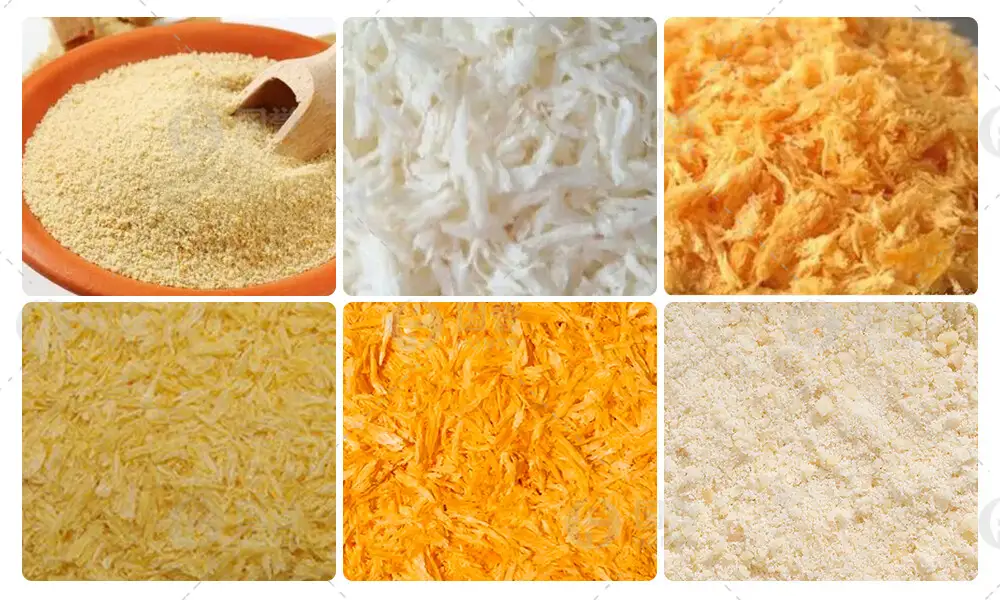
Unlike traditional breadcrumbs made from baked bread that is simply ground, extruded breadcrumbs are manufactured through a precise and continuous Extruded Bread Crumb Produce Process. This method involves cooking cereal flours (like wheat or rice) with water under high temperature and pressure inside an extruder. The sudden release of pressure at the die causes the dough to expand, creating a porous structure that delivers an unparalleled crispy texture after frying.
The global demand for extruded breadcrumbs continues to rise, driven by the frozen food sector and the food service industry. Consumers seek products that maintain crunchiness even after reheating, a characteristic perfectly fulfilled by this specific process. To meet this demand efficiently, manufacturers rely on a specialized Extruded Breadcrumb Process Plant. This plant is not just a single machine but an integrated system designed for high-volume output, consistency, and hygiene.
From a technical perspective, the extruded process offers significant advantages over conventional baking. It drastically reduces production time, requires less physical space, and allows for greater control over the final product's density and shape. As we delve deeper into this guide, we will explore each component of the production line, from the initial mixing of raw materials to the final packaging. Understanding the nuances of this technology is essential for food technologists, plant managers, and entrepreneurs looking to enter or optimize their presence in the coating ingredients market.
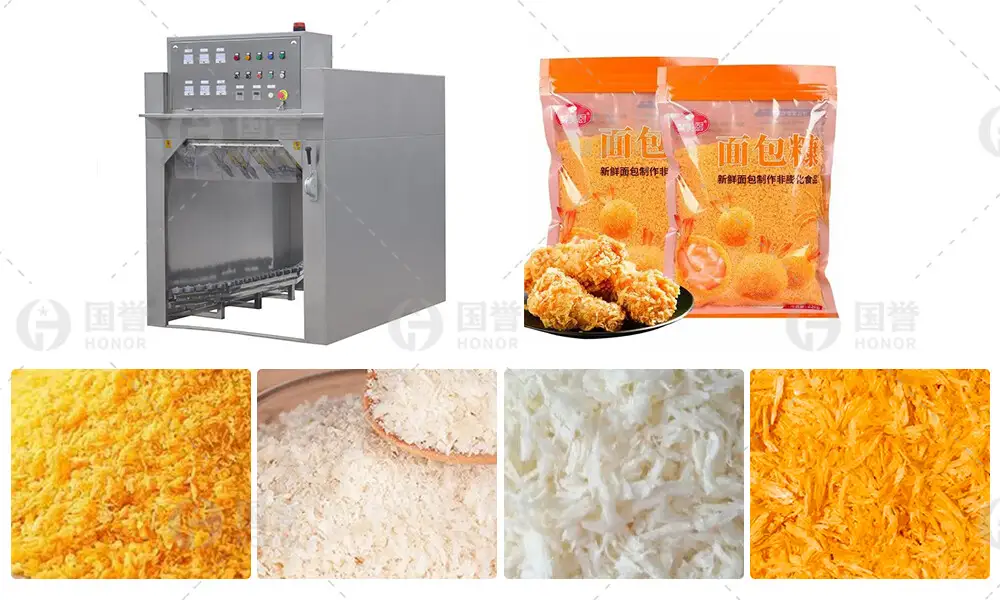
Core Components of the Extruded Breadcrumb Plant
A modern Extruded Breadcrumb Process Plant is a symphony of precision engineering, where each piece of equipment plays a critical role in transforming raw flour into the final crispy coating. Understanding these core components is essential for anyone involved in the Extruded Bread Crumb Produce Process, whether you are planning a new facility or optimizing an existing line.
The journey begins with the Raw Material Handling and Mixing System. This includes silos for flour storage, automatic dosing units, and continuous mixers. Accuracy at this stage is vital; the ratio of flour, water, starch, sugar, and salt directly dictates the texture and color of the final breadcrumb. Modern plants use loss-in-weight feeders to ensure recipe consistency, feeding the preconditioner where initial hydration and steam cooking occur.
Next is the heart of the entire operation: the Twin-Screw Extruder. Unlike single-screw designs, the twin-screw configuration offers unparalleled control over the cooking process. As the material travels along the barrel, it is subjected to controlled temperature (up to 180°C or more) and high shear. This mechanical and thermal energy cooks the starch, denatures the proteins, and creates a homogeneous molten dough. At the die head, the sudden pressure drop causes the product to expand
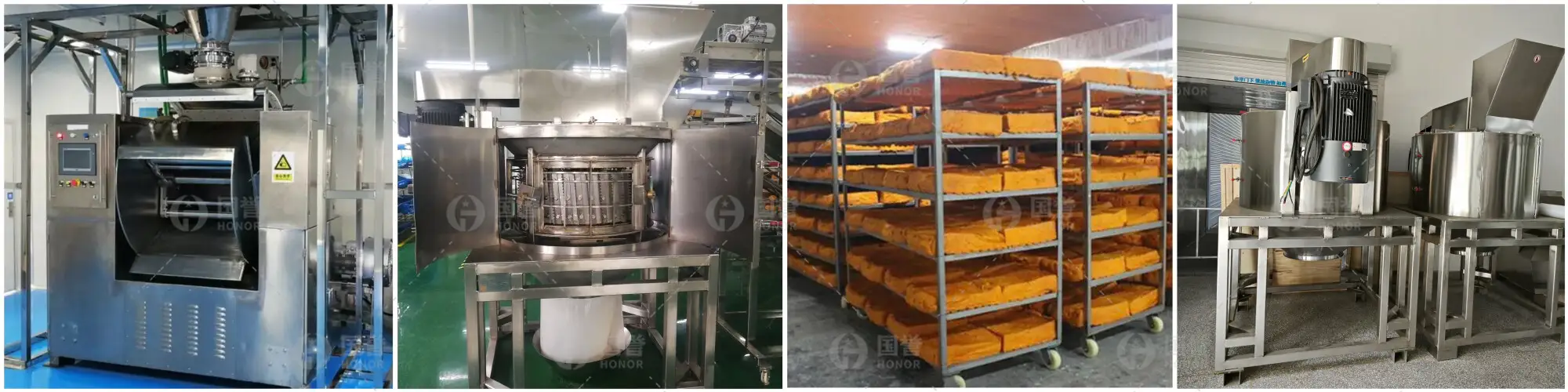
The pulverizer is a critical piece of equipment in the extruded breadcrumb production line, responsible for breaking down the dried, large-block or strip-shaped intermediate products into particles of the desired size. It is typically positioned downstream from the dryer and upstream from the sifter. Its core operating principle involves utilizing high-speed rotating blades, hammers, or grinding discs to exert intense impact, shearing, and grinding forces upon the material, thereby shattering the crisp breadcrumb base into fine particles. In the extruded breadcrumb production process, both the control of the machine's rotational speed and the selection of the screen mesh aperture directly determine the final product's morphology: lower speeds are suitable for producing coarse, flake-like Japanese-style breadcrumbs that retain their laminar structure, whereas higher speeds—paired with finer screens—are employed to produce fine, powder-like breadcrumbs. From an operational standpoint, particular attention must be paid to the issue of temperature rise during high-speed operation, as excessive heat generated by friction can compromise the breadcrumbs' crisp texture. Furthermore, a robust dynamic balance design ensures uniform particle size distribution and minimizes the generation of excessively fine dust, thereby maximizing the yield of finished product.
A suction conveyor equipped with a dust collector is an eco-friendly device that utilizes a negative-pressure airflow within a sealed pipeline to facilitate the vertical or horizontal transport of powdered or granular breadcrumb materials. It typically serves as a link between a pulverizer and a vibrating screen, or connects a screening machine to a packaging machine. Its operating principle involves a blower generating a vacuum suction force within the pipeline, drawing material from the source through a suction tube. As the material travels with the high-velocity airflow to a separation unit situated above the target equipment, it settles and discharges due to gravity and filtration barriers; meanwhile, the dust-laden air is purified by filter cartridges within the dust collector before being vented into the atmosphere. In an extruded breadcrumb production line, the core value of this equipment lies in enabling dust-free, enclosed conveyance—a process that not only prevents environmental pollution and material waste caused by the leakage of flour or breadcrumb dust but also ensures a hygienic workshop environment. In practical operation, close attention must be paid to the pipeline diameter and the design of elbows to ensure a smooth flow path and prevent blockages caused by irregularly shaped breadcrumb flakes. Additionally, the filter cartridges within the dust collector require regular cleaning and maintenance to ensure consistent suction power and to prevent dust accumulation and mold growth, thereby averting potential hygiene hazards.
The three-layer dryer achieves continuous drying by utilizing a three-tier reciprocating conveyor belt structure to extend the material's travel path. Its operating principle involves electric heating tubes generating heat, while fans direct hot air onto the material—which is spread evenly across the upper mesh belt. As the material travels along the belt to its terminus, it drops onto the lower mesh belt, which moves in the opposite direction. Through three such reciprocating passes, the material is exposed to the hot air sufficiently to achieve the drying of breadcrumbs and extend their shelf life. In the context of extruded breadcrumb production, this equipment serves not only to dry and set the product's shape but also—through precise temperature control—to further cook the material and impart an appealing, golden hue. While the electric heating design offers relatively low initial investment costs and precise temperature control, it is essential to evaluate the impact of local electricity rates on long-term operating expenses; furthermore, uniform temperature distribution within the three-layer drying chamber must be strictly ensured to prevent quality defects, such as the breadcrumbs scorching on the surface while remaining insufficiently dried on the interior.
The vibrating screen serves as the final screening device—positioned downstream from the pulverizer and upstream from the packaging machine—responsible for the particle size classification and quality control of crushed breadcrumbs. It typically employs a multi-layer screen design to ensure the uniformity and consistency of the finished product particles. Its operating principle relies on the excitation force generated by a vibrating motor, which induces a hopping trajectory in the material as it moves across an inclined screen surface. Fine particles smaller than the screen mesh aperture pass through the screen surface and fall below, while coarse particles larger than the aperture travel forward along the screen surface and are discharged through designated outlets. In extruded breadcrumb production lines, the vibrating screen is typically configured with two or three layers: the upper screen retains oversized, non-conforming particles, returning them to the pulverizer for reprocessing; the lower screen sifts out excessively fine powder, designating it as substandard material or reclaim; and the intermediate screen yields uniform particles, which constitute the qualified finished product ready for the packaging stage. The operational performance of this equipment directly determines the commercial value of the product; therefore, critical attention must be paid to maintaining proper screen tension to prevent "coarse-grain run-through" (where oversized particles bypass the screen), as well as ensuring the integrity of the sealed cover to prevent dust spillage during the screening process. Furthermore, given the relative hardness of breadcrumb particles, regular inspection of screen wear and timely replacement are essential maintenance measures for guaranteeing screening precision.
Specification
| Capacity | Electrode Baking Oven(SET) |
| 150KGH | 1SET |
| 300KGH | 2SETS |
| 500-600KGH | 3SETS |
| 800-1000KGH | 6SETS |
| 1500KGH | 10SETS |
Designing an Efficient Extruded Breadcrumb Process Plant
Designing an efficient Extruded Breadcrumb Process Plant requires careful consideration of workflow, hygiene standards, and energy optimization to ensure maximum productivity and product quality. The foundation of an efficient plant layout begins with linear flow design—arranging equipment in sequence from raw material intake to finished product packaging to minimize cross-contamination and reduce manual material handling . Modern plants utilize vertical space by placing mixers and preconditioners on upper levels, allowing gravity to feed extruders below, which improves efficiency and reduces labor requirements . Sanitary design is paramount; all equipment should feature stainless steel construction (typically SUS304 or 316) with sloped surfaces and tool-free disassembly for thorough cleaning between production runs, ensuring compliance with HACCP and ISO 22000 food safety standards .
Energy efficiency represents a significant operational consideration in plant design. Advanced twin-screw extruders now incorporate energy-saving technologies that consume 15-20% less power than conventional models, while modern drying systems achieve heat recovery rates exceeding 85%, reducing overall line energy consumption by approximately 25% . Plants should also integrate centralized control systems with PLC and touchscreen interfaces that enable single-operator monitoring of temperatures, speeds, and pressures across the entire line, automatically adjusting parameters to maintain consistency while optimizing energy use . Material selection extends beyond food contact surfaces to include wear-resistant alloys for extruder screws and barrels, ensuring longevity and reducing maintenance downtime .
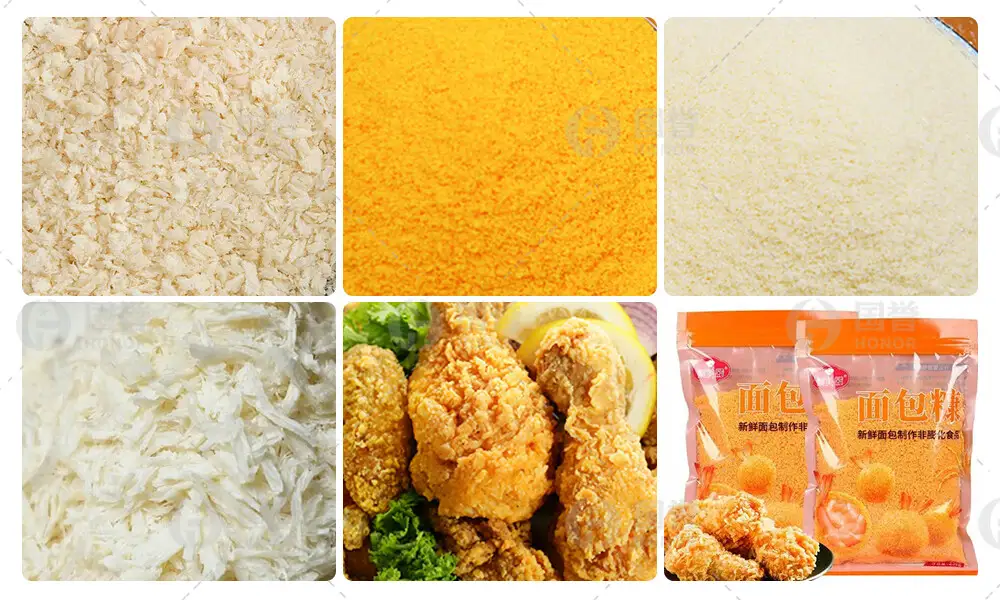
Integrating weighing and packaging systems directly into the production line creates seamless flow from processing to finished goods. Automated checkweighers positioned before packaging provide real-time weight verification and feedback to upstream filling equipment, minimizing product giveaway while ensuring regulatory compliance . Complete integration of conveyors, metal detectors, and packaging machines under shared control architecture prevents bottlenecks and reduces manual intervention . Waste reduction strategies should include closed-loop systems that collect and reprocess oversized particles and fines from screening operations, returning them to the extruder for reintroduction into the process—achieving near-zero waste manufacturing while reducing raw material costs . Proper plant design also incorporates adequate space for maintenance access, ingredient storage with climate control, and future expansion capacity, ensuring the facility can adapt to changing production demands .
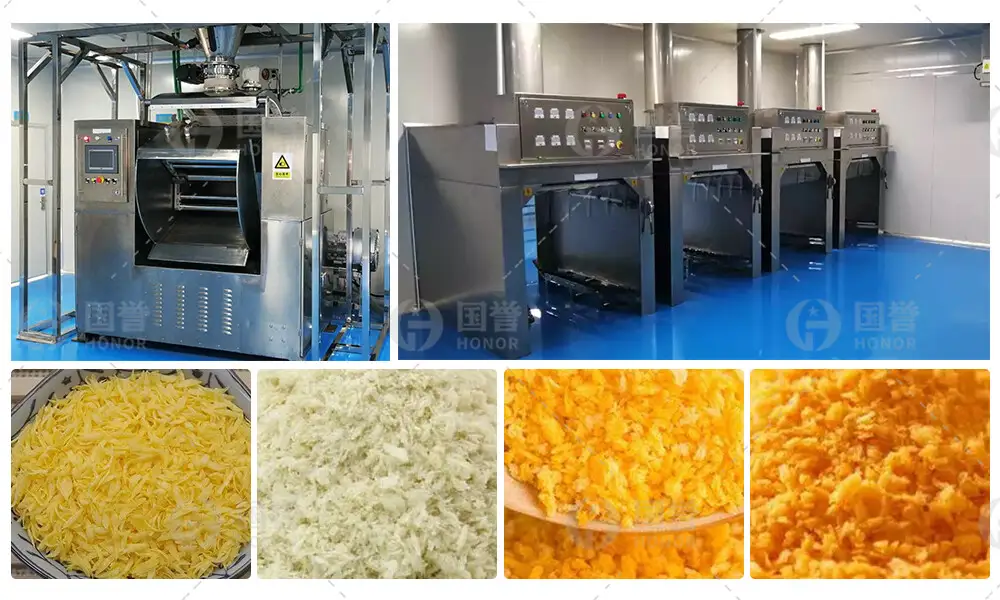
| Machine | Function |
| Dough mixer | Mix the flour, starch, water, and food additives (such as salt and sugar) evenly according to the specified proportions. |
| Electrode Baking Oven | Core Equipment. It utilizes electrodes to generate heat within the material (or transfers heat via an electrically heated barrel), enabling the raw dough to undergo starch gelatinization (alpha-amylase conversion) and protein denaturation within a short timeframe, thereby imparting to the breadcrumbs their characteristic color and cooked flavor. |
| Bread Crumb Crusher | The dried, elongated or large-sized materials undergo coarse crushing; by adjusting the rotor speed or screen mesh size, they are processed into breadcrumbs of the desired flake or granular form. |
| Vibrate Fluid Bed Dryer | Through the combined action of vibration and hot air, the material is fluidized, thereby achieving rapid and uniform drying or cooling. |
Comprehensive Guide to Extruded Breadcrumb Production Line
Through this comprehensive guide, we have delved into every critical aspect of the extruded breadcrumb production line—from foundational concepts to advanced quality control measures. We began with an introduction to extruded breadcrumbs (specifically Japanese-style *Panko*), highlighting how the extrusion process creates a unique, light, and porous structure that offers superior crispiness compared to traditional baked breadcrumbs. We examined in detail the core components of a modern production facility—including precision mixing systems, twin-screw extruders, forming units, multi-stage dryers, vibrating fluidized bed coolers, and automated control panels—each playing an indispensable role in transforming raw flour into the final breading product.
A detailed analysis of the equipment provided insights into the specific functions of various machinery, such as pulverizers for particle size reduction, pneumatic conveyors with dust collectors for hygienic material transport, three-layer electric dryers for moisture removal, and vibrating screens for final product classification. Understanding these individual components and their interconnections is crucial for optimizing production efficiency and product consistency. Subsequently, we explored strategic considerations in plant design, emphasizing linear workflow layouts, hygienic stainless steel construction, energy efficiency through heat recovery systems, and waste reduction via closed-loop reprocessing—all of which contribute to sustainable and cost-effective manufacturing operations.
Quality control emerged as a central theme for ensuring market success, with key parameters—including color uniformity, textural characteristics, precise moisture content (3–5%), and particle size distribution—requiring continuous monitoring. We identified common production challenges—such as clogging, inconsistent breadcrumb sizing, and equipment wear—and offered practical solutions through preventive maintenance and process optimization. Finally, we explored the diverse applications of extruded breadcrumbs in frozen foods, foodservice, and specialty products, while emphasizing the importance of proper storage conditions to maintain shelf life and product integrity.
This comprehensive overview demonstrates that successful extruded breadcrumb production requires the integration of mechanical engineering, food science, and operational management. As global consumer demand for high-quality breaded foods continues to rise, understanding these principles becomes increasingly valuable for food technologists, plant managers, and entrepreneurs seeking to establish or strengthen their position within this dynamic market.
Reference
1. Food Processing:
Website: [Food Processing](https://www.foodprocessing.com/)
2. Food Engineering:
Website: [Food Engineering](https://www.foodengineeringmag.com/)
3. Process Industry Forum:
Website: [Process Industry Forum](https://www.processindustryforum.com/)
4. Food Manufacture:
Website: [Food Manufacture](https://www.foodmanufacture.co.uk/)